
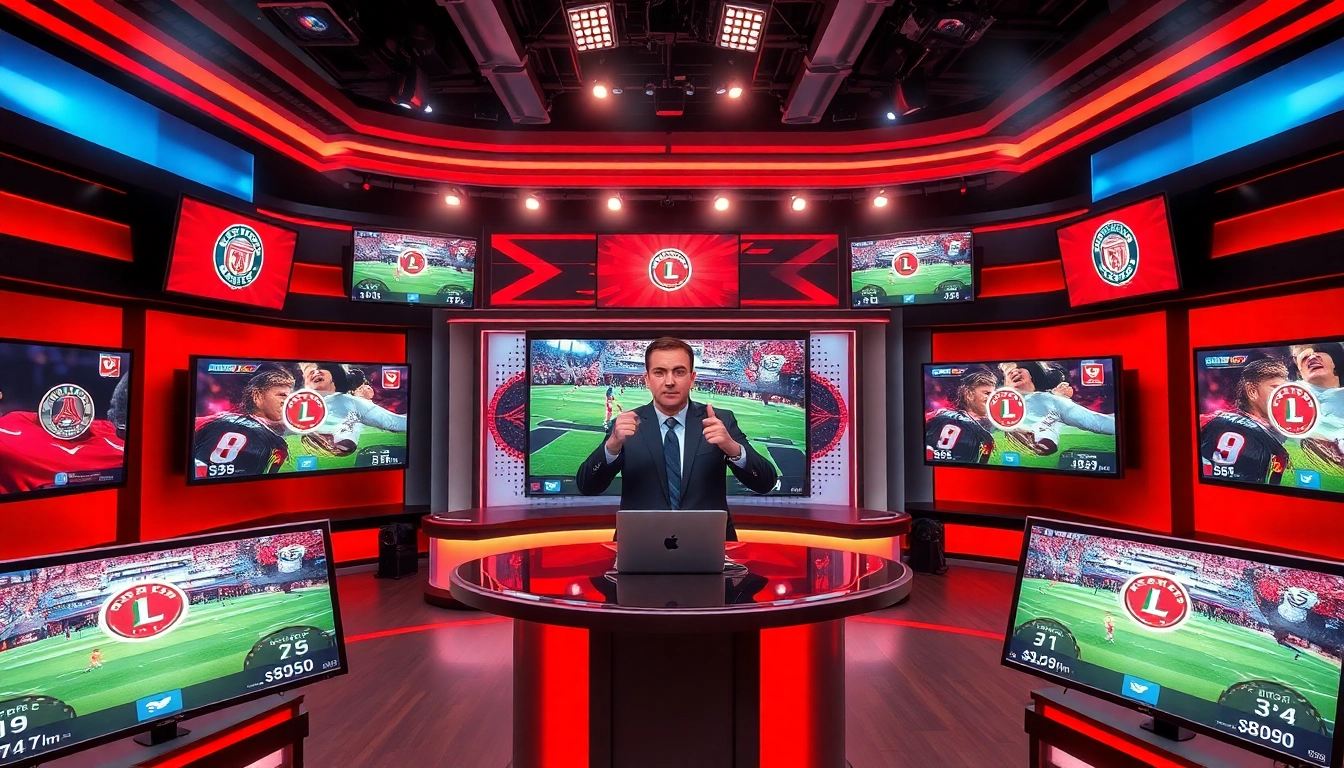
Understanding Sports Broadcasting Essentials
Defining Sports Broadcasting
Sports broadcasting is the transmission of sports events through various media such as television, radio, and online platforms. This field combines entertainment, marketing, and journalism, making it a vital element in the world of sports. Broadcasters play an essential role in delivering live coverage to fans, providing analysis, and creating engaging narratives that enhance the viewing experience. With the rise of digital platforms, the way sports are broadcasted has evolved dramatically, allowing fans to consume content anytime and anywhere. Notably, the field has expanded beyond traditional broadcasting, embracing the streaming age and integrating new technologies to enhance engagement. For more insights on Sports Broadcasting, you can refer to Sports Broadcasting.
The Role of Broadcasters in Sports
Broadcasters perform multiple functions that are pivotal to the sports ecosystem. Their primary role is to provide live coverage of events to a global audience, ensuring that viewers feel connected to the action regardless of their physical location. Beyond live coverage, broadcasters also curate content that includes pre-game, halftime, and post-game analyses, adding layers of context through expert commentary. Additionally, they build partnerships with sports leagues, teams, and sponsors to enhance their broadcasting offerings, combining promotional material with informative programming that keeps audiences engaged.
Key Terminology in Sports Broadcasting
Understanding the language of sports broadcasting is essential for grasping the intricacies of the field. Key terms include:
- Play-by-Play: The commentary that describes the action as it unfolds.
- Color Commentary: Analytical insights provided by expert commentators to deepen audience understanding.
- Network Rights: The agreements in place that define who can broadcast sporting events.
- Production Team: The group responsible for the technical aspects of the broadcast, including video, audio, and graphics.
- Engagement Metrics: Data-driven indicators to measure how viewers interact with broadcast content.
Technological Advancements in Sports Broadcasting
Emerging Technologies Shaping the Industry
Technology has fundamentally transformed sports broadcasting. High-definition (HD) and 4K broadcasting provide audiences with stunning visuals, while augmented reality (AR) and virtual reality (VR) are set to revolutionize how fans experience sporting events. For example, broadcasters now use AR to superimpose graphics onto the live action, offering viewers enhanced statistics and insights without disrupting the flow of the game. Drones are also increasingly used for aerial shots that capture the atmosphere of sporting events from unique angles, further enriching the viewer’s experience.
The Impact of Streaming Services on Sports Broadcasting
Streaming services have significantly reshaped the landscape of sports broadcasting. Platforms such as Amazon Prime, Hulu, and specialized sports channels provide fans with accessible content on their terms, allowing them to choose when and how to watch. This shift not only opens opportunities for increased audience reach but also introduces competition for traditional broadcasters, who must innovate to retain viewers. The on-demand aspect of streaming caters to the changing habits of modern viewers, who favor content that is tailored to their schedule rather than a set broadcast time.
Future Technologies: What to Expect
Looking ahead, several trends promise to influence the future of sports broadcasting. Innovations such as 5G technology will improve streaming quality, reducing latency and enhancing real-time interaction possibilities. Further, AI-driven analytics will personalize the viewing experience, suggesting content based on individual preferences, which may change how broadcasters approach audience engagement. Additionally, interactive features, such as live polls during events, are becoming integral to the viewer experience, blending entertainment with engagement in real-time.
Best Practices for Successful Sports Broadcasting
Creating Engaging Content
Engaging content is fundamental in capturing viewer attention in the competitive landscape of sports broadcasting. The key is to develop narratives that resonate emotionally with fans while providing insightful analysis and high-quality production. Incorporating stories of athletes, behind-the-scenes footage, and fan participation can enhance the narrative depth. Developing a content calendar to strategically plan programming around key events can also ensure that content remains relevant and timely, catering to the interests of the audience.
Effective Use of Social Media in Broadcasting
Social media has emerged as a powerful tool for broadcasters to engage with fans, promote events, and share highlights. Platforms like Twitter, Instagram, and TikTok allow broadcasters to create a two-way conversation with the audience, fostering community around sports events. Live-tweeting games, sharing player interviews, and engaging fans through polls or Q&As can enhance viewer loyalty. Utilizing social media integrates the broadcasting experience, concretizing the connection between the broadcaster and the audience beyond traditional viewing channels.
Building an Audience: Strategies for Growth
Building a dedicated audience requires strategic planning and consistent engagement efforts. Broadcasters can implement loyalty programs, promote contests, and create exclusive content that encourages fans to tune in regularly. Additionally, collaborations with influencers or popular sports figures can widen reach, sparking interest among potential viewers. Measuring audience demographics allows broadcasters to tailor content to specific groups, ensuring that the programming aligns with viewer preferences and habits, ultimately enhancing growth and retention.
Challenges Faced in Sports Broadcasting
Coping with Technological Issues
Despite technological advancements, sports broadcasters frequently face challenges such as outages, transmission delays, and equipment failures. Establishing comprehensive technical support systems and backup plans is critical to mitigate these occurrences. Regular equipment maintenance, thorough training for production teams, and real-time monitoring systems can help identify and resolve issues promptly, ensuring a seamless viewing experience for the audience.
Managing Live Event Pressures
Live broadcasting presents significant pressure for broadcasters, as mistakes can occur in real time. Effective communication between on-ground teams and control rooms is essential to navigate unfolding situations. Training specific to live event management can prepare staff for high-stakes environments. Utilizing technologies like instant replay and slow-motion can also aid broadcasters in providing accurate and timely information during live broadcasts, enhancing viewer confidence and trust.
Regulatory and Ethical Considerations
Broadcasters must navigate a landscape filled with regulatory and ethical issues, such as copyright laws, broadcasting rights, and responsible journalism. Understanding legal frameworks ensures compliance with regulations that govern sports broadcasting. Ethical issues, including responsible coverage of sensitive topics and maintaining viewer trust, require careful consideration. Broadcasters must build transparent relationships with athletes and sports institutions, creating a respectful environment that honors both the game and its players.
Measuring Performance in Sports Broadcasting
Key Performance Indicators for Broadcasters
Measuring the success of sports broadcasting efforts requires concrete metrics. Key performance indicators (KPIs) such as viewer ratings, audience reach, and engagement rates provide insights into the effectiveness of content. KPIs help broadcasters assess which content resonates most with audiences and adjust strategies accordingly. Regular analysis of these metrics allows broadcasters to refine their approaches, enhance viewer satisfaction, and ultimately foster growth.
Understanding Audience Metrics
Audience metrics are crucial for understanding who is watching and how they engage with content. Demographic data, viewing habits, and feedback are essential components of this analysis. Utilizing tools that track engagement across digital platforms can provide valuable insights to inform content development. By leveraging this data effectively, broadcasters can create customized experiences that keep audiences returning for more.
Adjusting Strategies Based on Feedback
Feedback, both qualitative and quantitative, is essential to refining broadcasting strategies. Viewer surveys, social media interactions, and real-time engagement analytics offer broadcasters insights into audience preferences and expectations. Establishing feedback mechanisms enables broadcasters to stay responsive to audience needs, ensuring the continuous evolution of content. Implementing changes based on audience insights can lead to increased satisfaction, loyalty, and overall success in sports broadcasting.
FAQs about Sports Broadcasting
What is sports broadcasting?
Sports broadcasting is the transmission of live or recorded sports events through television, radio, or online platforms, providing coverage and commentary to engage audiences.
What technologies are shaping sports broadcasting?
Emerging technologies like 4K broadcasting, augmented reality (AR), virtual reality (VR), and enhanced streaming services are revolutionizing how sports are enjoyed by audiences.
How can broadcasters engage their audience effectively?
Engaging audiences can be achieved through high-quality content, interactive social media presence, and personalized viewer experiences that cater to individual viewer preferences.
What are the main challenges in sports broadcasting?
Key challenges include managing live event pressures, coping with technology failures, and navigating regulatory and ethical considerations in broadcasting.
How do broadcasters measure their performance?
Performance is measured through key performance indicators (KPIs) such as viewer ratings, audience engagement, and feedback metrics that guide content strategy adjustments.